High Atlas
Atlas Mountains
The High Atlas from Marrakesh: Imlil, the Ourika Valley, Berber villages and women's cooperatives. How hard the hiking is and what to expect as a woman.
- Region
- High Atlas
- From Marrakesh
- Ourika about 1 hour, Imlil about 1.5 hours by car from Marrakesh
- Best time
- April through June and September through November; in winter there is snow above 2,000 meters
Do not miss
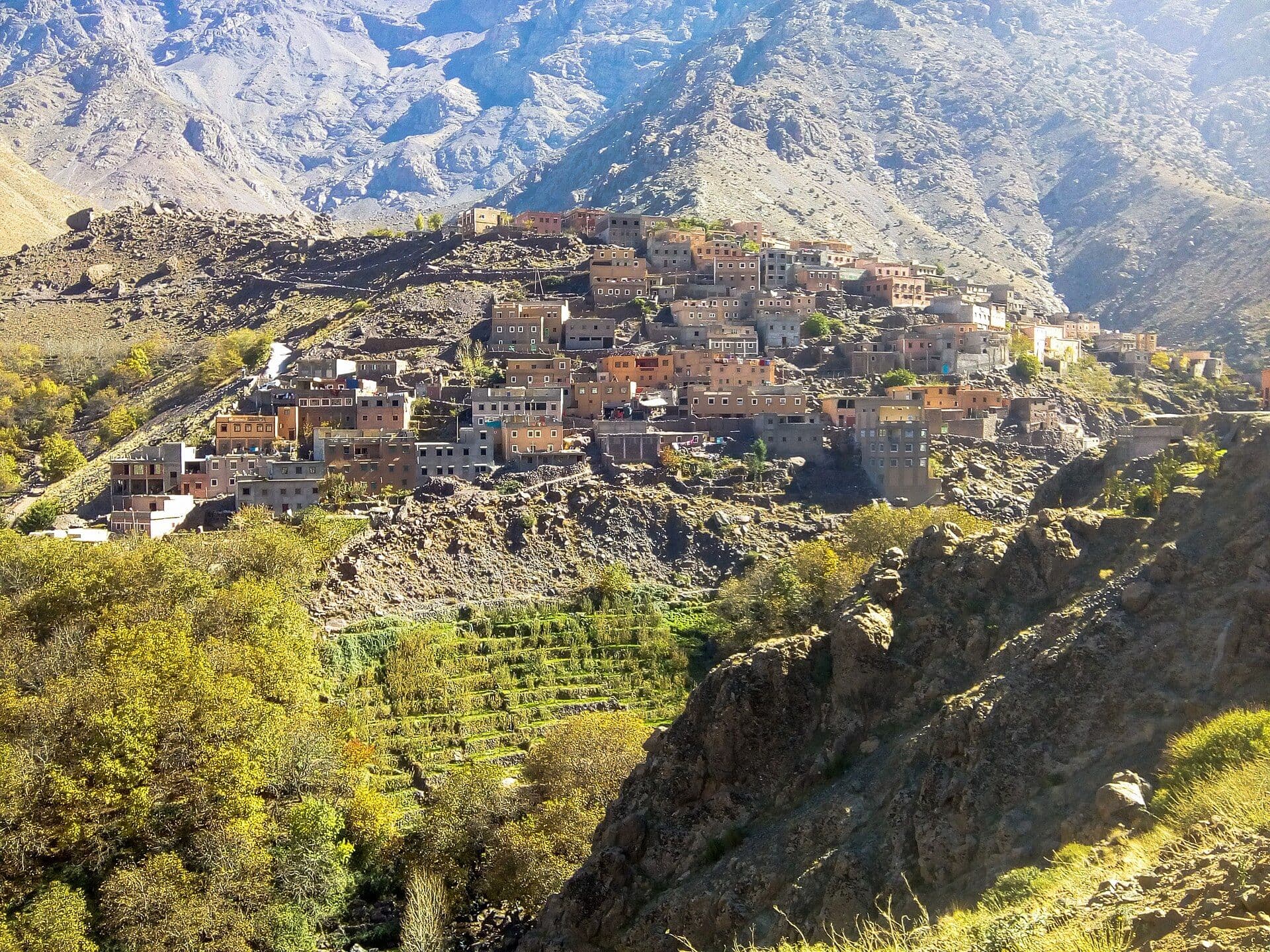
- Mud-brick Berber villages on the slopes near Imlil
- Walking past terraced fields, walnut trees and irrigation channels
- Tea in a family home, with fresh bread and olive oil
- A women's cooperative for argan oil or weaving
- The waterfalls of Setti Fatma in the Ourika Valley
- A view of Toubkal, at 4,167 meters the highest mountain in North Africa
An hour and a half after leaving the medina of Marrakesh you are in the mountains. The road climbs, the olive trees give way to walnut and apple trees, and on the slopes lie villages of red earth that you only notice once you are close. This is the High Atlas, the land of the Amazigh (Berbers), with Toubkal as its highest peak. There is no single big sight; the appeal is in the quiet and in the people.
Walking, villages and tea
Imlil is the mountain village at 1,740 meters where most hikes start. From here you walk a loop of two to three hours past the villages of Aroumd and Tamatert, on paths between terraced fields, along irrigation channels and under walnut trees. You don't have to be athletic. Sturdy shoes and an easy pace are enough. If you like, you can walk up to the first snow or take a longer hike to a mountain pass.
The Ourika Valley is lower and greener. The river runs past restaurants where you eat with your feet in the water. At the end of the road, at Setti Fatma, a half-hour climb takes you to the first of seven waterfalls. On Fridays and weekends Ourika is busy with families from Marrakesh; on weekdays it is quiet.
Along the way you pass women's cooperatives where argan oil is made or carpets are woven. The women show you how the work is done, and the proceeds go to them. You don't have to buy anything. The argan oil here is the real thing, though, which is far from always true of the oil in the souk.
At some point in the day you are invited into a family home, or you stop at a house where Soukayna knows the people. You get mint tea, fresh bread, olive oil and honey. It is often the part of the day that stays with you.
Farther away, two and a half hours by car from Marrakesh in the Middle Atlas, are the Ouzoud waterfalls. They are 110 meters high, with macaques in the trees and small boats under the falls. It is a long day, but worth it in spring.
As a woman in the mountain villages
The mountain villages are more conservative than Marrakesh, and still you walk around more relaxed. Nobody calls out to you and nobody wants to sell you anything. Women work in the fields and greet you. Children ask for a pen or a piece of candy, which you can kindly refuse. Cover your shoulders and knees in the villages; it is appreciated and it protects you from the sun. Long pants and a T-shirt with a scarf are fine. More on that in what to wear.
On the hiking trails you are with your guide and possibly a mule. Women traveling alone hike here without any problems. Toilets along the way are basic, so bring tissues.
Travel time, season and what to bring
Ourika is about an hour's drive from Marrakesh, Imlil about an hour and a half. The road to Imlil is paved and easy to drive. One day is enough for a hike and lunch. Take two days with an overnight stay if you really want to hike or simply want to rest.
April through June and September through November are the best months. In summer it is a relief up here after the heat of the city. In winter there is snow above 2,000 meters and the high trails are closed, but that is exactly when the villages are at their prettiest.
Bring sturdy shoes, sunscreen, a cap or scarf, an extra layer and water. The rest is on the packing list.
The day tour with Soukayna
On the day tour to the Atlas Mountains and Berber villages Soukayna drives you into the mountains in the morning, a local mountain guide walks with you through the villages, and you eat with a family. You set the pace: a short walk and a long lunch, or the other way around. If you prefer Ourika to Imlil, that is possible. With small children or a bad knee, Ourika is easier.
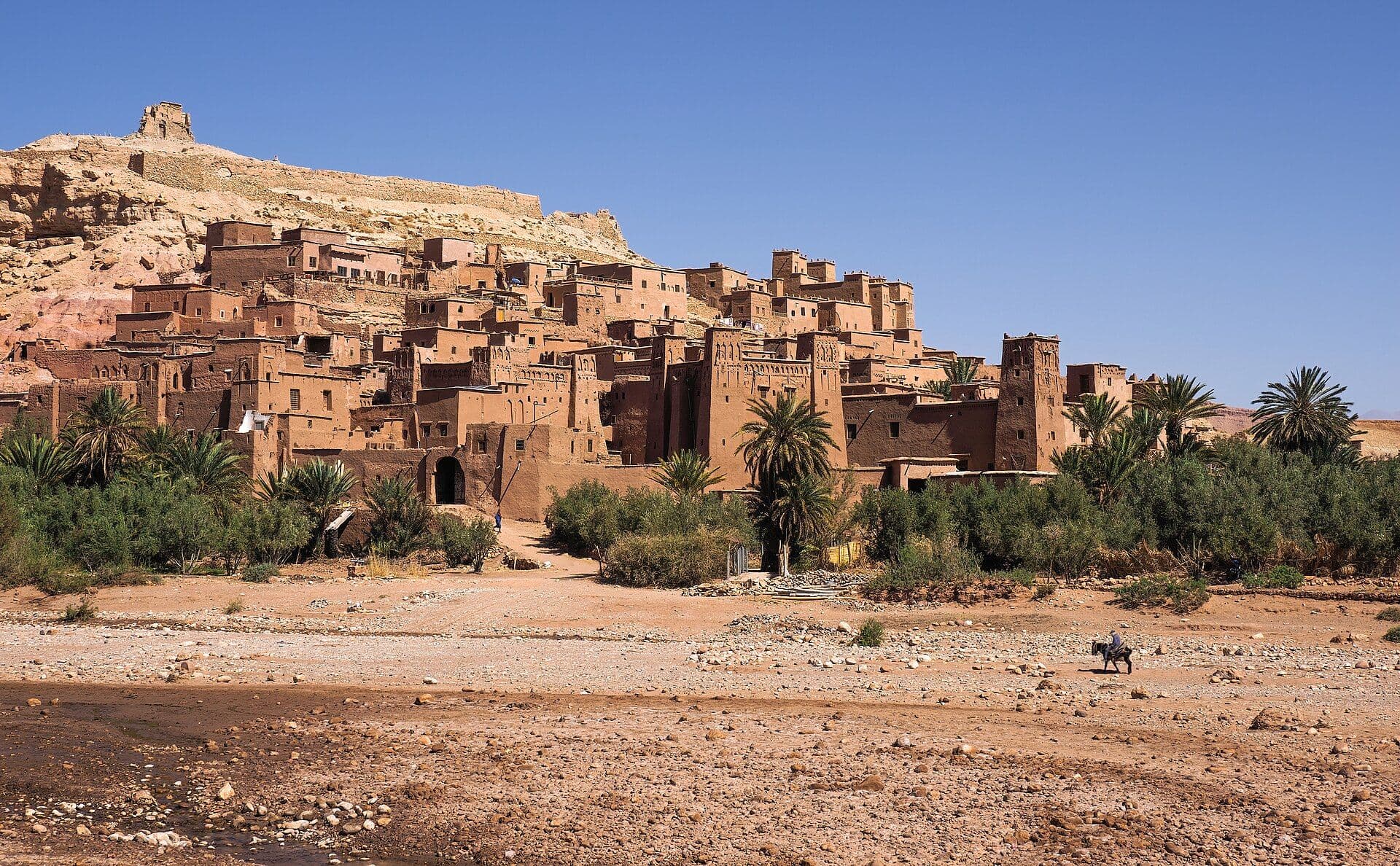
The Atlas is also the route to the south. Anyone traveling to Aït Benhaddou and Ouarzazate or the Sahara crosses the range over the Tizi n'Tichka pass at 2,260 meters. If you combine that with a night in the mountains, you don't have to cross the pass there and back in one day.
Questions about Atlas Mountains
Do I need to be fit for a hike in the Atlas?
No. Around Imlil you can do an easy loop past villages and fields in two to three hours, with at most 200 meters of elevation gain. If you want more, you can do a longer day hike. Climbing Toubkal takes two days and does not fit into a day trip.
What is the difference between Ourika and Imlil?
Ourika is a green valley with a river, restaurants by the water and the waterfalls at Setti Fatma. It is easy to reach and busy on weekends. Imlil is higher, quieter and the starting point for the more serious mountain hikes.
Can I stay overnight in the Atlas?
Yes, in simple mountain guesthouses or comfortable kasbah hotels around Imlil. A night in the mountains is a good break between two city days. We can arrange that for you.
How cold is it in the mountains?
Expect it to be five to ten degrees Celsius colder than in Marrakesh. In winter it freezes at night and there is snow. Always bring an extra layer, even in summer.
Trips to Atlas Mountains
Day tour, 1 day, about 8 hours
Atlas Mountains and Berber villages: a day in Imlil or Ourika
Day tour, 1 long day (about 12 hours) or 2 days with an overnight stay
Aït Benhaddou and Ouarzazate over the Tizi n'Tichka pass
Multi-day trip, 3 days, 2 nights (4-day version ending in Fes)
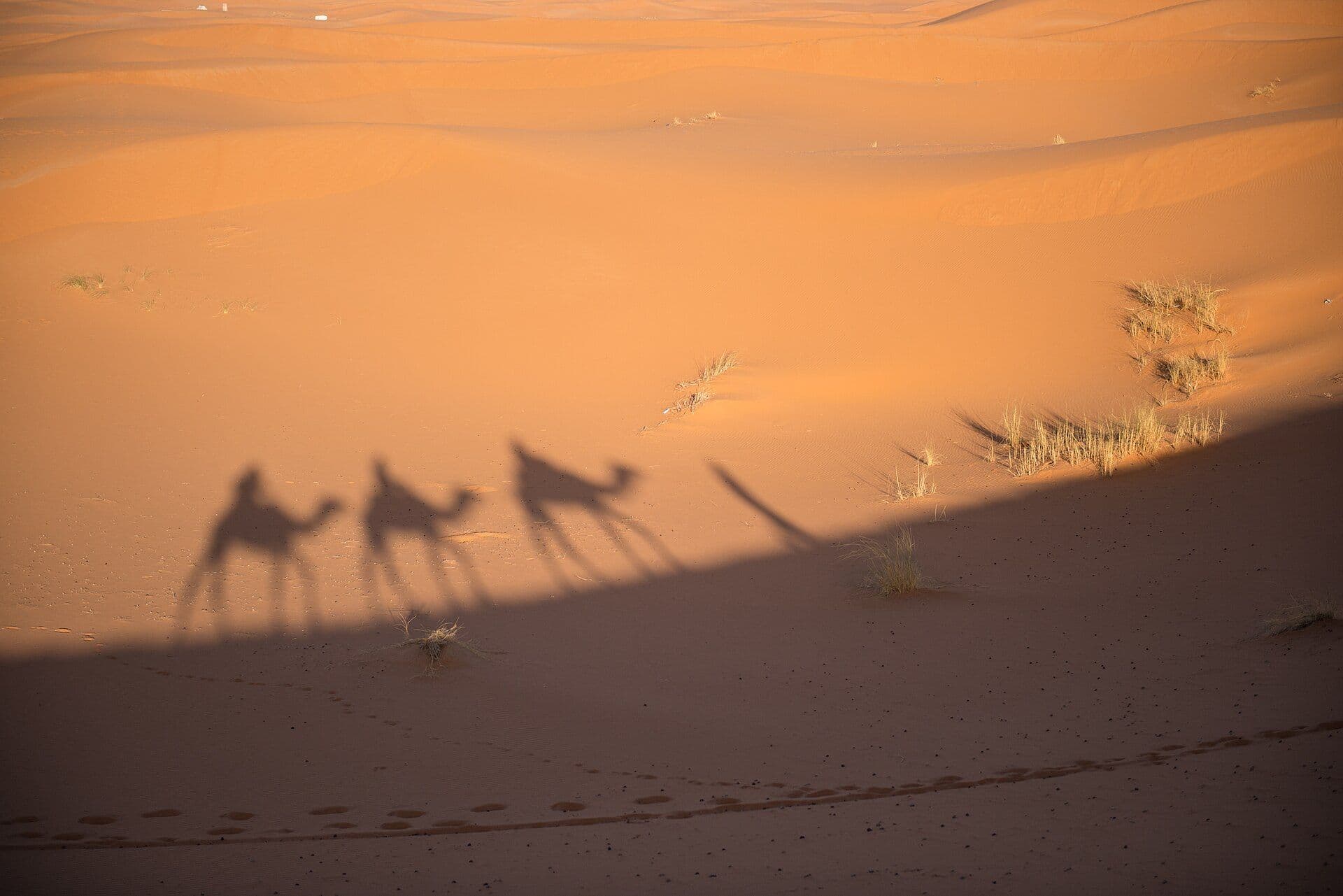
Sahara desert trip to Merzouga: 3 days, 2 nights
Other destinations
Marrakesh
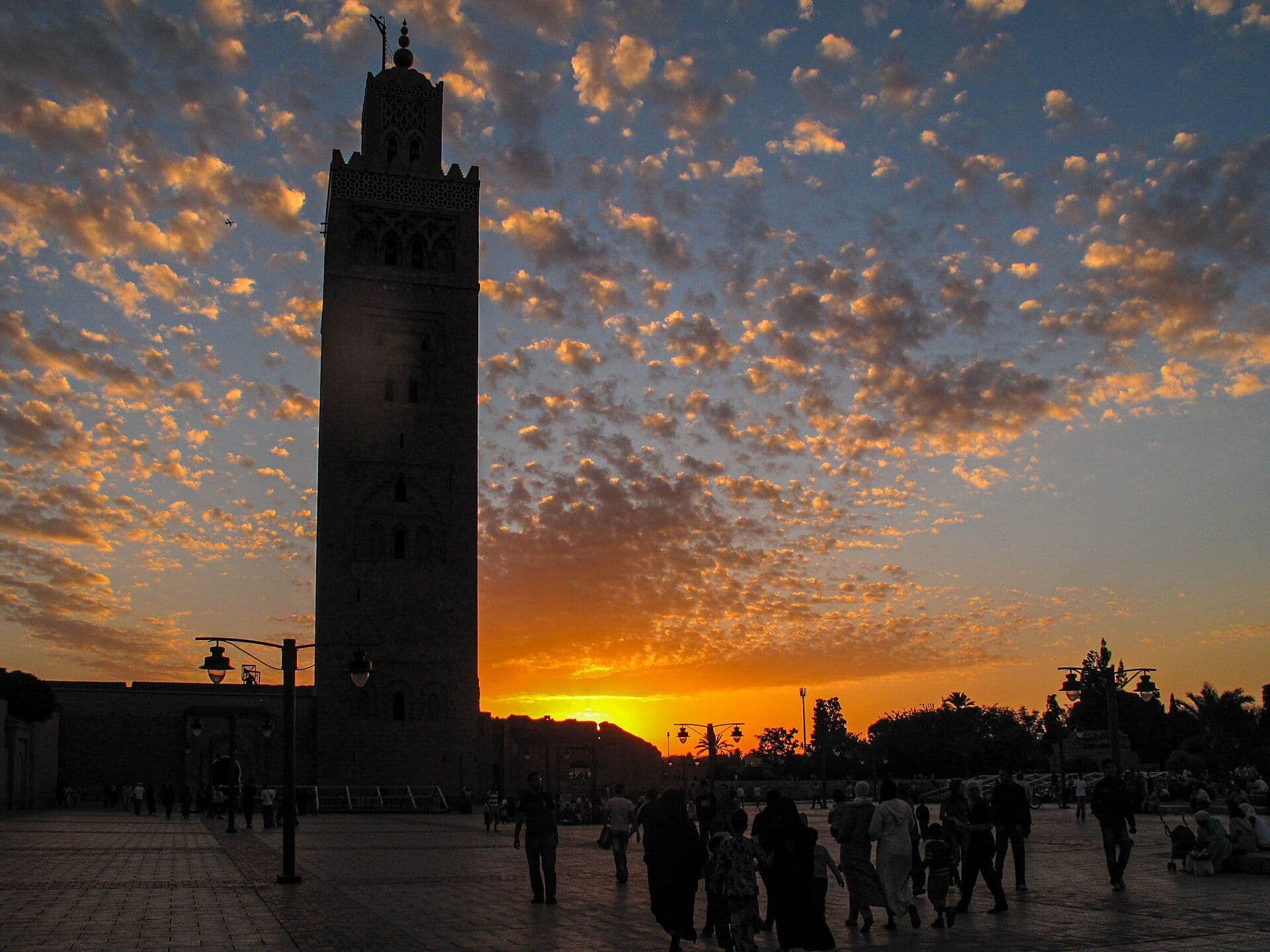
Soukayna's home base; about 3.5 hours by air from Amsterdam, and most of Western Europe is similar
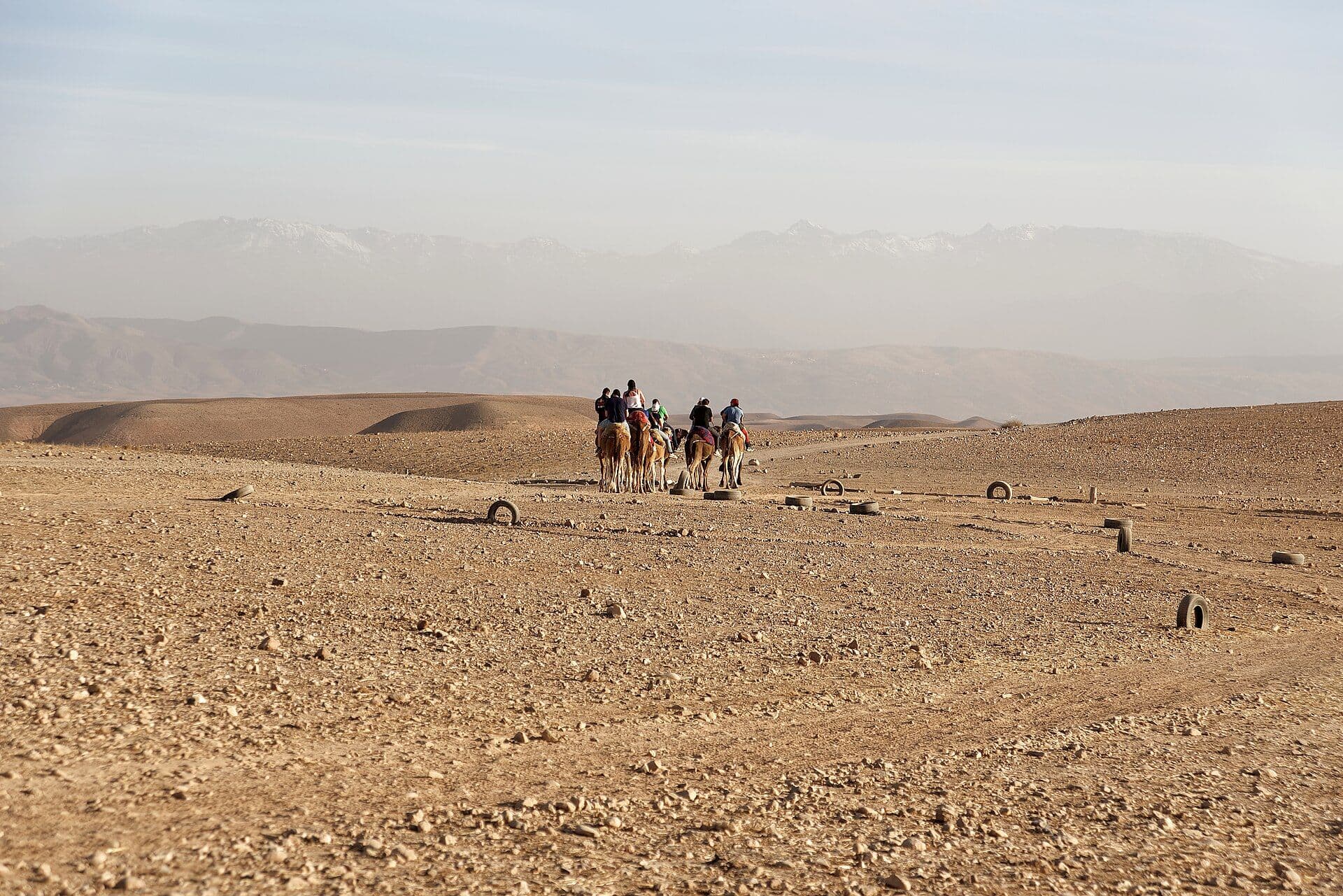
Agafay Desert
About a 45-minute drive from Marrakesh
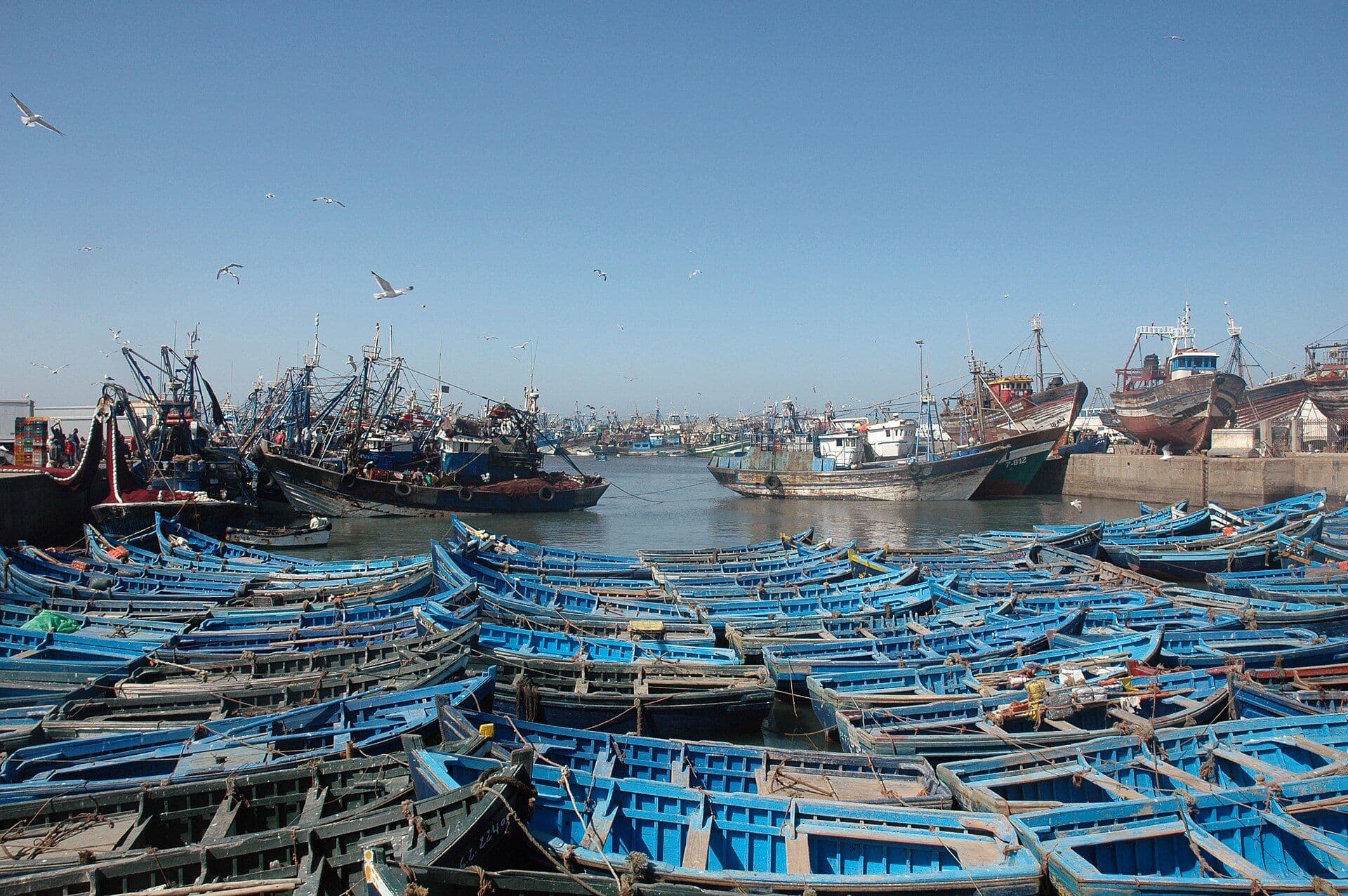
Essaouira
About 2.5 to 3 hours by car from Marrakesh
Aït Benhaddou and Ouarzazate
Aït Benhaddou about 4 hours, Ouarzazate about 4.5 hours by car from Marrakesh over the Tizi n'Tichka pass
Shall we plan your trip together?
Send a message with when you want to go, who you are traveling with and what appeals to you. You get a proposal back and you are not committed to anything.
You chat with Soukayna (English, French, Moroccan Arabic) or Bas (Dutch).