
By Soukayna
- 4 min read
A Sahara desert trip as a woman: how it works
Three days from Marrakesh to the Sahara at Merzouga: the route, the nights, the cold, the restrooms, what to pack and whether to go alone or in a group.
- sahara
- desert
- multi-day trip
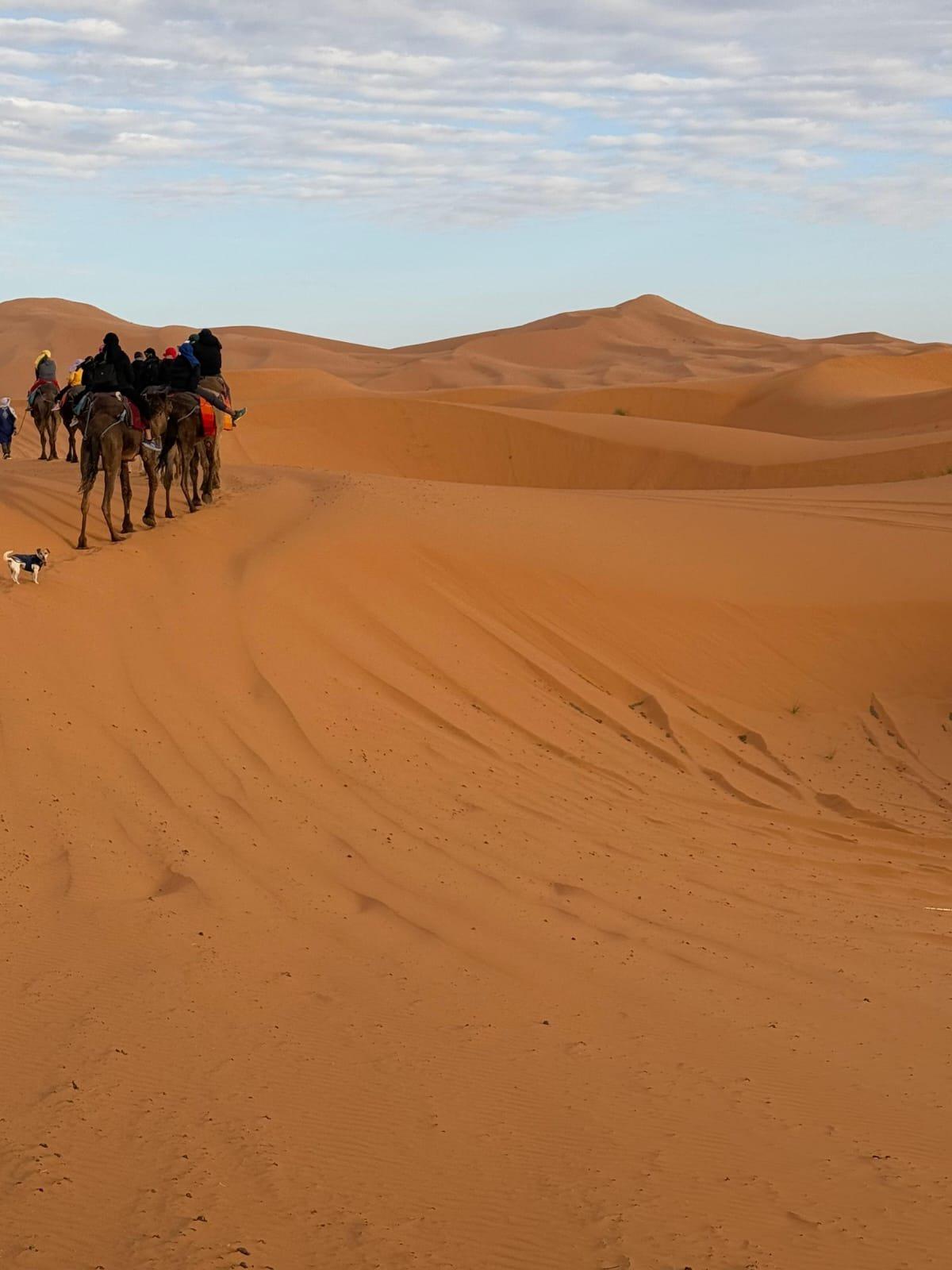
The dunes of Erg Chebbi near Merzouga are up to 150 meters high. After sunset it gets very quiet there. Before you book a night in the Sahara, you probably want to know a few practical things. How long are you in the car? Where do you sleep? What about the toilets, and how cold does it get?
The route in three days
Merzouga is about 9 to 10 hours by car from Marrakesh. You don't do that in one day, and there is no need to. The road crosses a mountain pass and runs past kasbahs and gorges where you will want to stop anyway.
Day 1: Marrakesh to the Dadès valley
We leave early and climb over the Tizi n'Tichka, a mountain pass at 2260 meters. The road is good, but winding. Do you get carsick easily? Then sit in the front and eat light. On the other side of the pass is Aït Benhaddou, the mud-brick village you know from films and series. You walk through the kasbah and have lunch with a view. By way of Ouarzazate and the Valley of the Roses we drive to the Dadès gorge. There you sleep in a small kasbah or a hotel by the river.
Day 2: Todra and the dunes
After breakfast you go to the Todra gorge, a narrow cleft with walls three hundred meters high. After that the land gets flatter and drier. We drive past palm groves and villages until you see the first sand dunes on the horizon. Late in the afternoon you get on a camel (or into a 4x4, if you would rather not ride) and head an hour into the dunes to the camp. You watch the sun go down from the top of a dune, and you eat in the camp. Afterward there are drums by the fire, under a sky full of stars.
Day 3: sunrise and back
If you want to see the sunrise, you get up early. After breakfast you ride back to the road. From there you can return to Marrakesh in one long day. You can also drive on to Fes and continue your trip from there. Then your desert trip becomes the start of a longer tour, like the imperial cities tour.
The weather: heat and cold in one trip
The temperature swings in the desert are large. From November to February the days are pleasant, but at night it can drop to around freezing. The camps have thick blankets. Bring a thermal shirt and a warm hat anyway. In summer, from June to September, the days get very hot. Then the dunes are only comfortable early and late. The best months are March, April, October and November. Read more under the best time to visit.
Toilets and washing
- On the road we stop at roadside restaurants and gas stations. The toilets there vary. Bring tissues and hand sanitizer, and expect a squat toilet now and then.
- Standard camps in the dunes have shared toilets and often a simple shower.
- More luxurious camps have a private bathroom with a toilet and shower right at your tent, and a real bed.
Put the kind of camp you want in your request. A luxury camp costs considerably more than a standard camp, but a private bathroom can be worth it. Especially if you have your period.
What to pack
You only take a small bag to the camp. The rest of your luggage stays in the car. This goes in that bag:
- Layers: a thermal shirt, a fleece or wool sweater and, in winter, a windproof jacket.
- A large scarf against sun, sand and cold. In the camp you learn to tie it as a turban.
- A headlamp or flashlight, because it is dark in the camp after dinner.
- Wet wipes, hand sanitizer, tissues and a small toiletry bag.
- A power bank, because not every camp has outlets.
- Sunglasses, sunscreen and a bottle of water.
- Closed shoes for the walk and flip-flops for around the camp.
The full list is in our packing list for Morocco.
Alone or with a group
Many desert trips are sold as group tours in a minibus. That is cheaper, but you are with twelve strangers on a fixed schedule. With me you travel privately. You decide the pace, where we stop and how long you stay at a viewpoint. I drive myself and know the route, and I know where the lunch is good and the toilet is clean. Going alone? Then there is someone you know with you the whole way.
In the camp you are never the only guest, because a camp hosts several travelers every night. That makes for good company by the fire, and it feels safer too. If you are nervous about sleeping alone in a tent, choose a luxury camp with tents that lock.
The camel
The ride to the camp takes about an hour. It sways, and after half an hour most people feel it in their thighs. Wear long pants and leave your bag in the car. Hold on tight to the saddle when the animal stands up, because it does so with a jolt. Would you rather not ride? Most camps can take you by 4x4 instead. Tell us in advance and we will arrange it.
Photos and tips
Take as many photos of the dunes as you like. Do ask permission first before you photograph people, including the camel handlers. A small tip for the men who lead the animals is customary. Count on a few dozen dirham per person.
The day-by-day route is on our Sahara desert trip to Merzouga page.
Frequently asked questions
How long does a desert trip from Marrakesh take?
Merzouga is about 9 to 10 hours by car from Marrakesh. That is why you do the trip in at least three days, with a stop in the Dadès or Todra valley.
How cold does it get in the desert?
In winter the days are pleasant, but the nights can drop to around freezing. In summer the days get very hot. So always bring layers.
Are there toilets in the desert camp?
Yes. Standard camps have shared toilets and often a simple shower. More luxurious camps have a private bathroom next to your tent. On the road you rely on roadside restaurants.
Read more
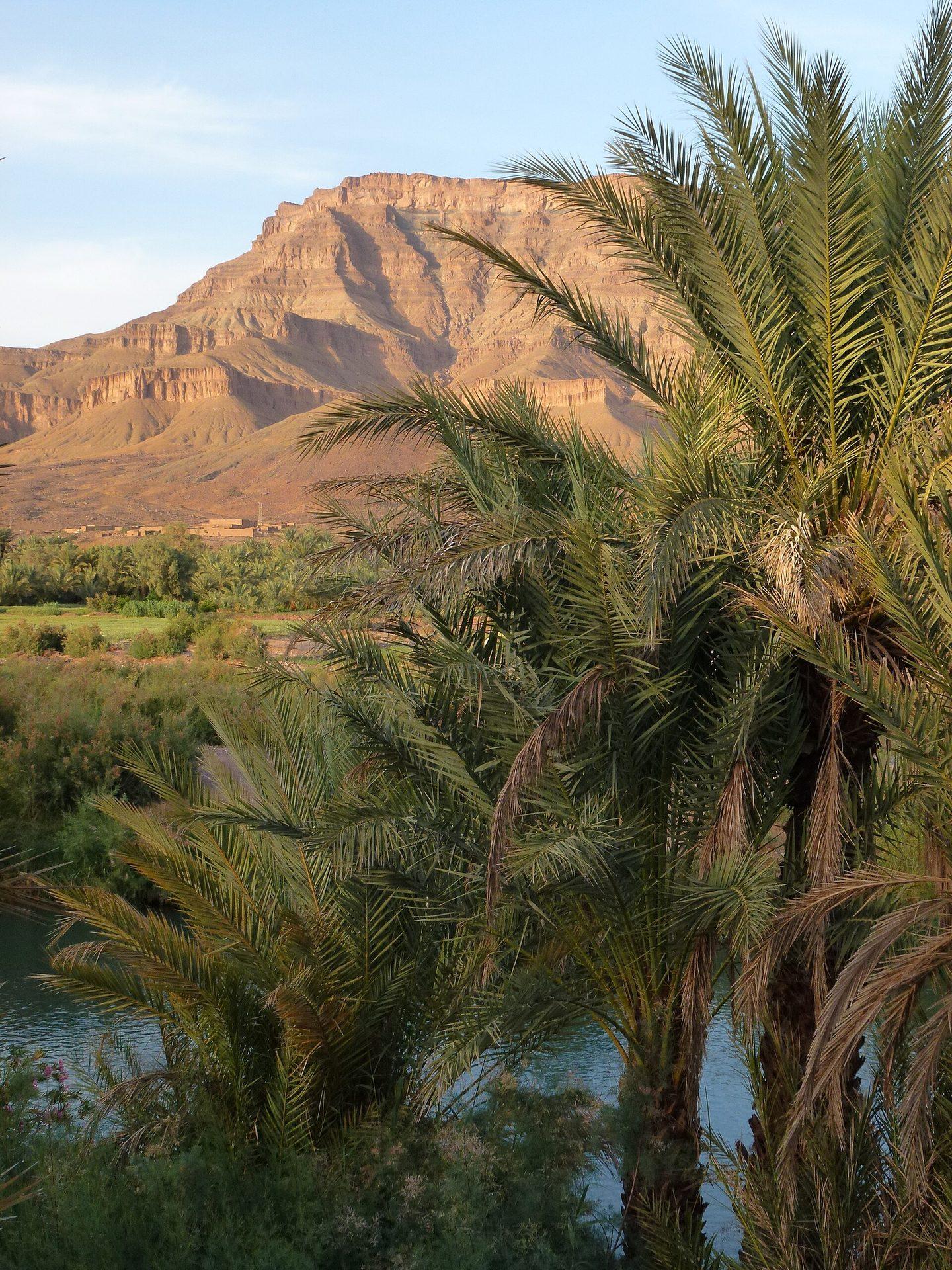
Zamane Festival in M'Hamid: December 3 to 6, 2026
The Zamane Festival in M'Hamid El Ghizlane, in the Drâa Valley, runs December 3 to 6, 2026. What is known, what to expect and how to plan the trip south.
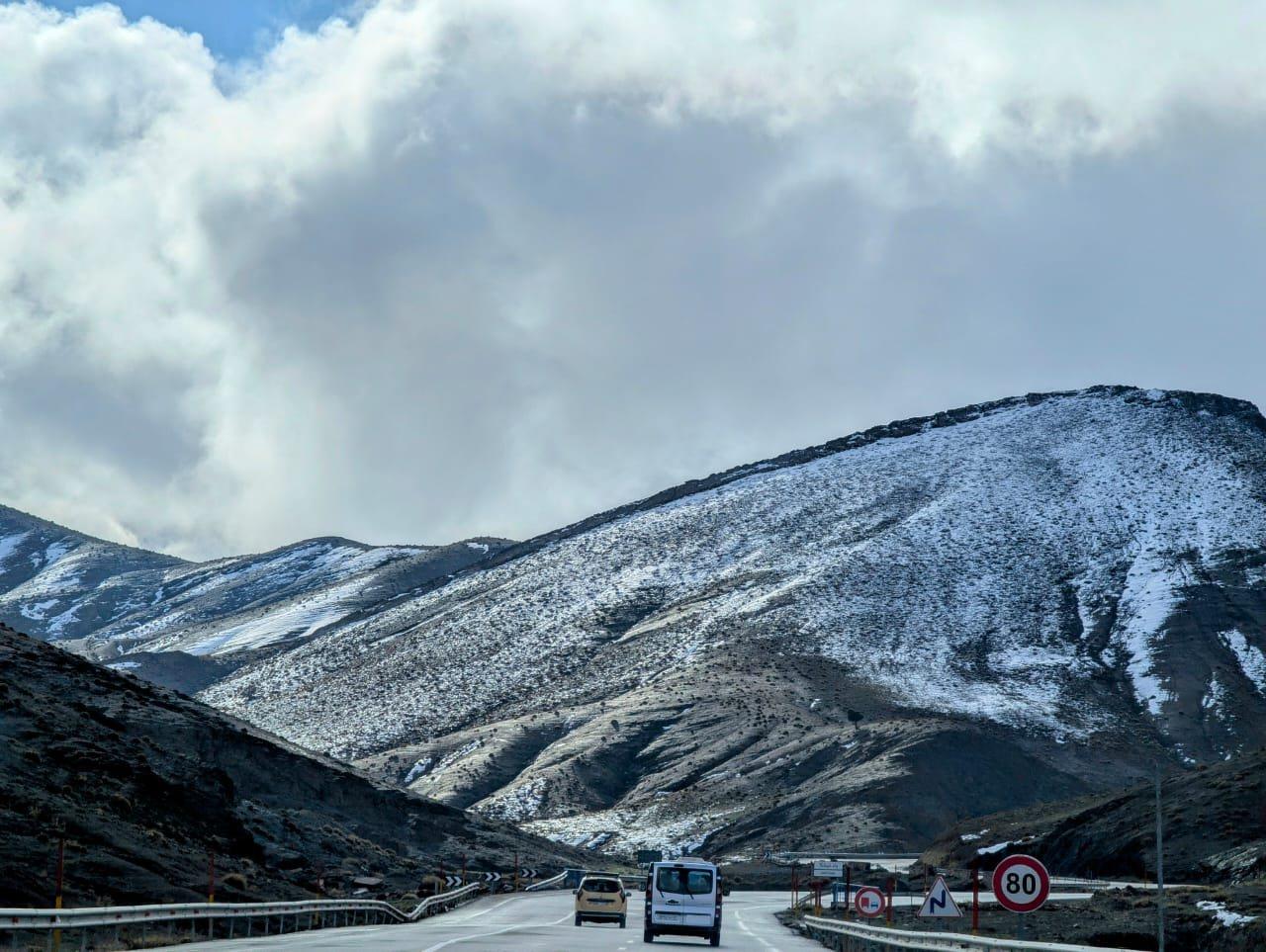
Marrakesh in December: weather, clothing and day trips
In December Marrakesh is around 68°F (20°C) by day and about 45°F (7°C) at night. What that means for clothing, your days and a trip to the coast or the mountains.
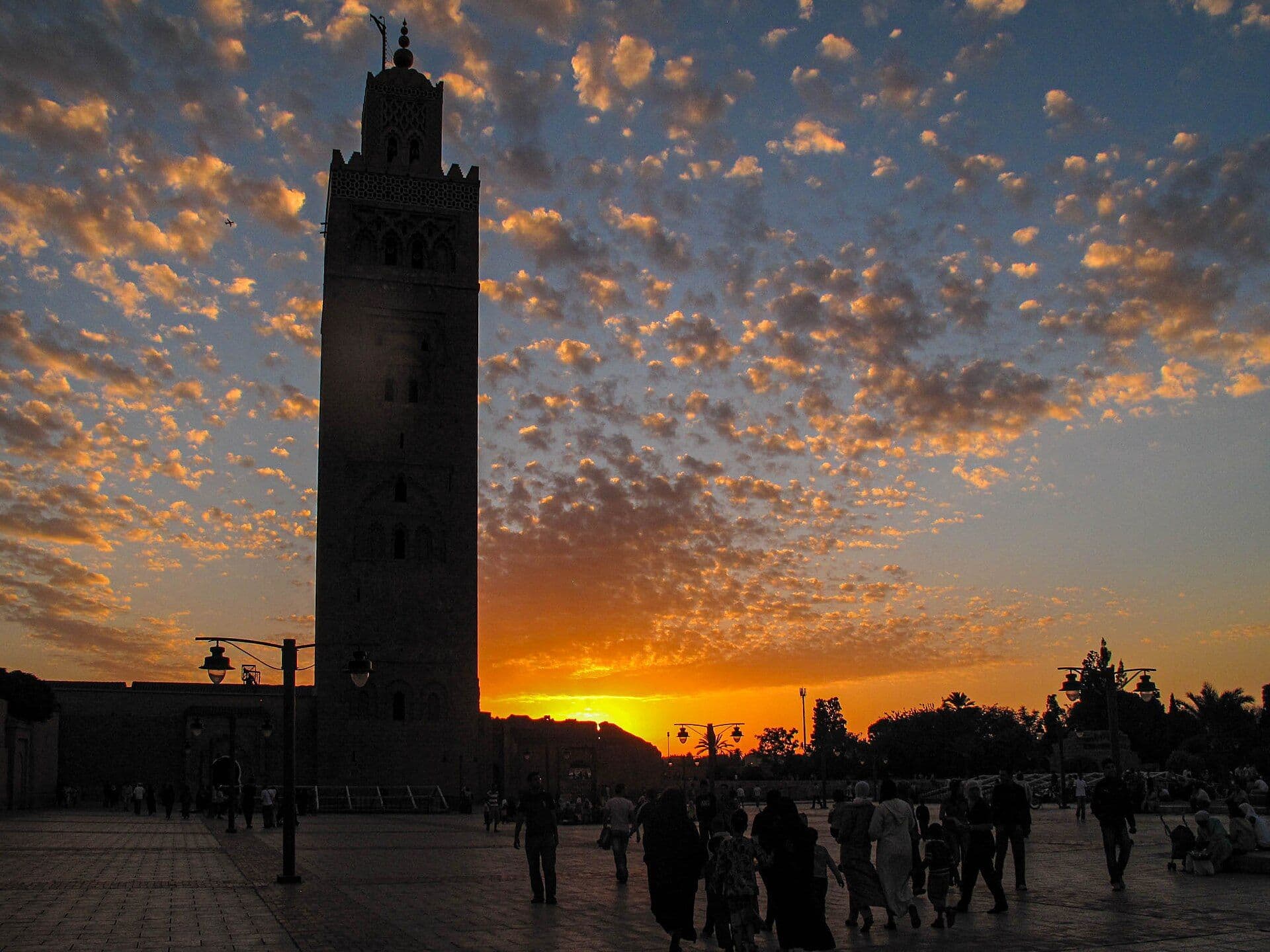
Public holidays in Morocco: three national days to Nov 18
Morocco has national holidays on October 31, November 6 and November 18. What each one marks and how to plan your days in Marrakesh around them.
Shall we plan your trip together?
Send a message with when you want to go, who you are traveling with and what appeals to you. You get a proposal back and you are not committed to anything.
You chat with Soukayna (English, French, Moroccan Arabic) or Bas (Dutch). Real people, not a chatbot. You almost always get an answer within a few minutes.