Middle Atlas
Middle Atlas: Ifrane, Azrou and the cedar forest
The Middle Atlas between Fes and the desert: Ifrane's chalets, the market town of Azrou and the cedar forest with Barbary macaques. When to go, how to get there.
- Region
- Middle Atlas
- From Marrakesh
- Ifrane is about 1 hour by car from Fes; from Merzouga a long day's drive through the Ziz Valley
- Best time
- April through October; snow and frost in winter
Do not miss
- Ifrane, a mountain town from 1929 with chalets and parks
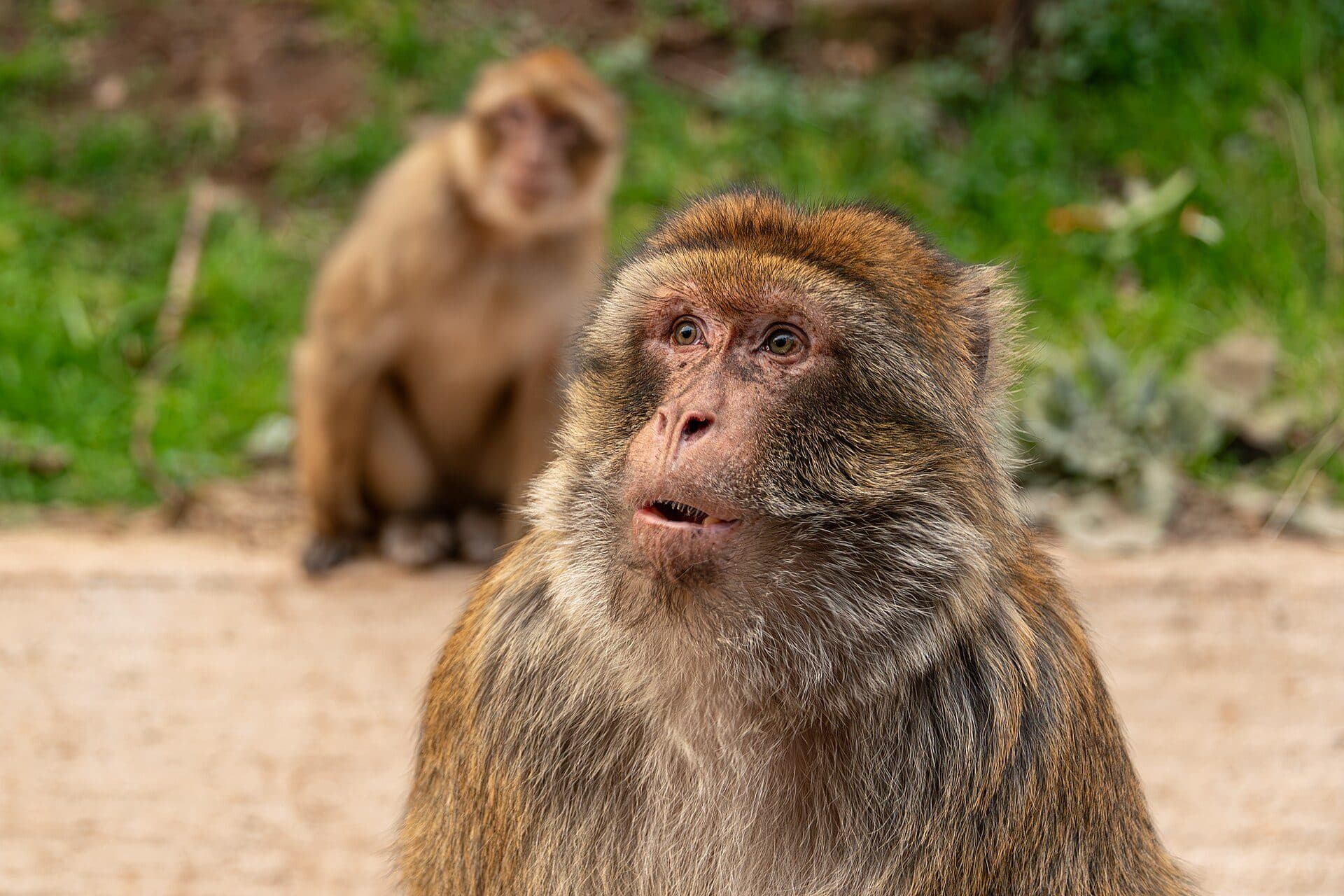
- The cedar forest near Azrou, with wild Barbary macaques
- The market town of Azrou, named after the big rock in its center
- Ifrane National Park, set up to protect the cedars
- Cool air in summer and snow in winter
The Middle Atlas lies between Fes and the south. If you drive from the desert to Fes, or from Marrakesh north through Beni Mellal, you pass through it. The landscape changes along the way: the slopes fill with holm oaks and cedars, and the air turns cool. A few hours here make a good break in a long drive.
What you do there
Ifrane sits at about 1,665 meters (5,460 feet). The French built it in 1929 as a hill station, a place where European families spent the summer. The houses are chalets with pitched roofs, the streets are wide and there are plenty of parks. Moroccans call it Little Switzerland. In the center stands a stone lion, carved from a single rock in 1930. Ifrane also has an English-language university, Al Akhawayn, which opened in 1995.
Azrou is lower, at 1,250 meters (4,100 feet), about 89 kilometers south of Fes. The name comes from an Amazigh word for rock, after the large rock in the center of town. It is a market town, and it also has a museum about Amazigh culture.
Southeast of Azrou is the Cèdre Gouraud forest, known for a large old cedar of that name. A group of Barbary macaques lives in this forest. You stop by the road and walk a little way between the trees. The macaques are used to people and come close.
The Barbary macaque is an endangered species. Don't feed them, even if others do. Human food makes them sick and more aggressive. Keep a few meters away and avoid long, direct eye contact, which macaques read as a threat.
Around Ifrane lies Ifrane National Park, created in 2004 to protect the cedars and the animals in the forest. In winter you can ski at Michlifen, close to Ifrane.
The Middle Atlas as a woman
Ifrane is quiet and tidy, with wide streets and parks. You can walk around at ease. Azrou is an ordinary Moroccan market town, bigger and busier than Ifrane.
The forest draws plenty of visitors who come for the macaques, so you are rarely alone there. Cover your shoulders and knees, and always bring an extra layer. Even in summer it is cooler here than in Fes or Marrakesh, and evenings get chilly. More on what to wear is in our guide on what to wear.
Travel time and the best months
From Fes it is about an hour's drive to Ifrane. Azrou is a bit farther, 89 kilometers south of Fes. From Marrakesh, Fes is about a six-hour drive via Beni Mellal, and the Middle Atlas is on that route. From Merzouga you drive through the Ziz Valley and over the Middle Atlas to Fes in one long day.
April through October are the most pleasant months. In summer it is cooler here than in the cities, which is why the French built Ifrane in the first place. Snow falls in autumn and winter. The roads can be slippery then, and the days are short. In 1935 Ifrane recorded minus 23.9 °C (minus 11 °F). The weather in the rest of the country is in our guide on the best time to visit.
Through the Middle Atlas with Soukayna
On the desert trip to Merzouga you can drive to Fes on day three instead of back to Marrakesh. You then go through the Ziz Valley and over the Middle Atlas, with a stop in the cedar forest near Azrou. It is about seven hours of driving. The next day you can explore the medina of Fes with a licensed guide whom Soukayna arranges.
If your tailor-made trip goes from Marrakesh to Fes, the Middle Atlas is on the route via Beni Mellal. You can stop in Ifrane for coffee and a walk in the park, and in the cedar forest for the macaques. If you also want to see the Ouzoud waterfalls, make it two days.
Questions about Middle Atlas: Ifrane, Azrou and the cedar forest
Where do you see the Barbary macaques?
In the cedar forest southeast of Azrou, known as the Cèdre Gouraud forest. A group of Barbary macaques there is used to visitors. They are wild animals of an endangered species, so watch from a distance and don't feed them.
Why is Ifrane called Little Switzerland?
The French built Ifrane in 1929 as a hill station where European families escaped the summer heat. The houses are chalets with pitched roofs, in styles from the Alps and the Jura. That is why Moroccans call it Little Switzerland.
Does it really get cold in the Middle Atlas?
Yes. Ifrane sits at about 1,665 meters (5,460 feet), and snow falls in autumn and winter. In 1935 the town recorded minus 23.9 °C (minus 11 °F). If you travel in winter, bring a warm coat, a hat and gloves.
Trips to Middle Atlas: Ifrane, Azrou and the cedar forest
Other destinations
Marrakesh
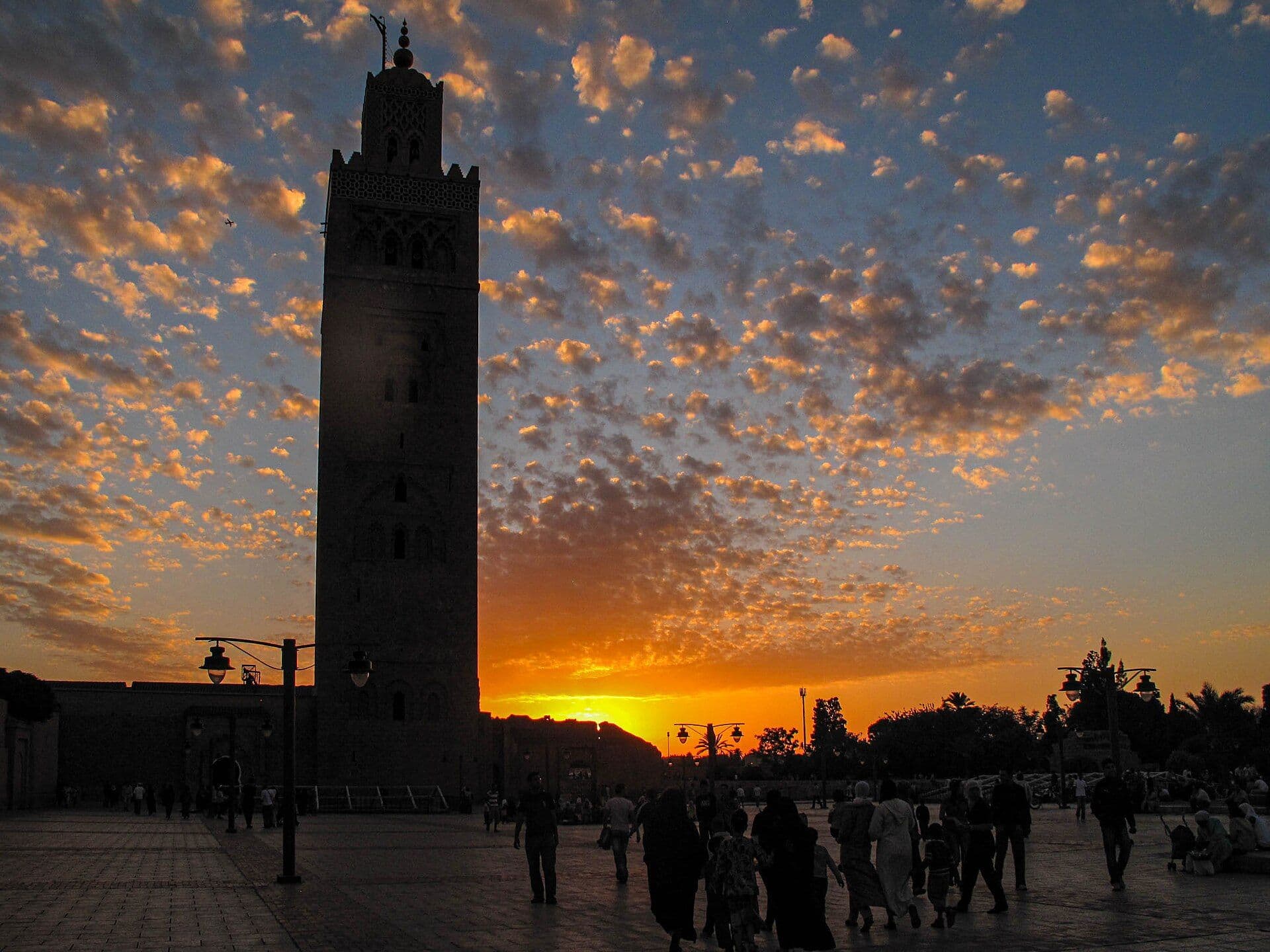
Soukayna's home base; almost four hours by air from Amsterdam, and most of Western Europe is similar
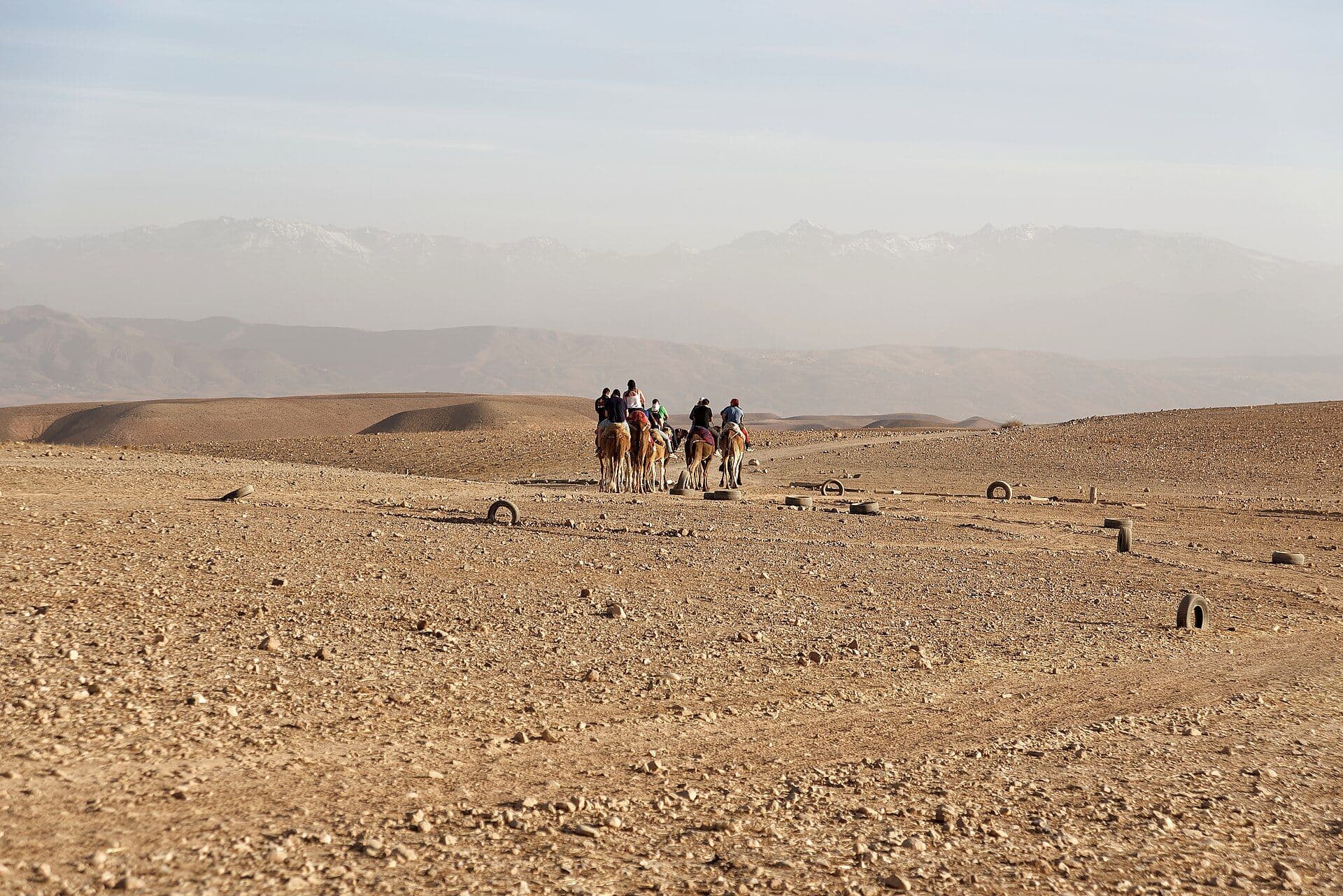
Agafay Desert
About a 45-minute drive from Marrakesh
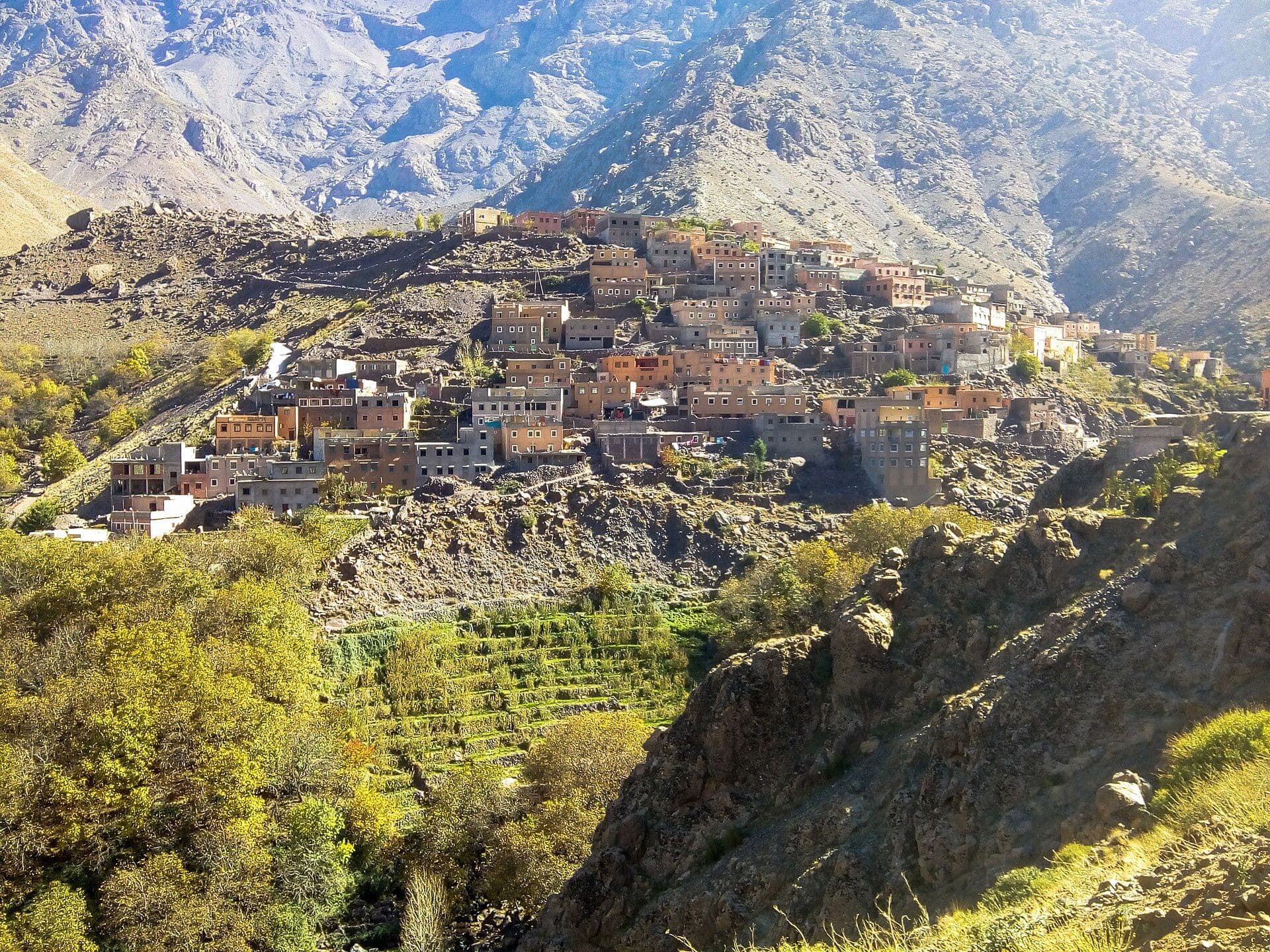
Atlas Mountains
Ourika about 1 hour, Imlil about 1.5 hours by car from Marrakesh
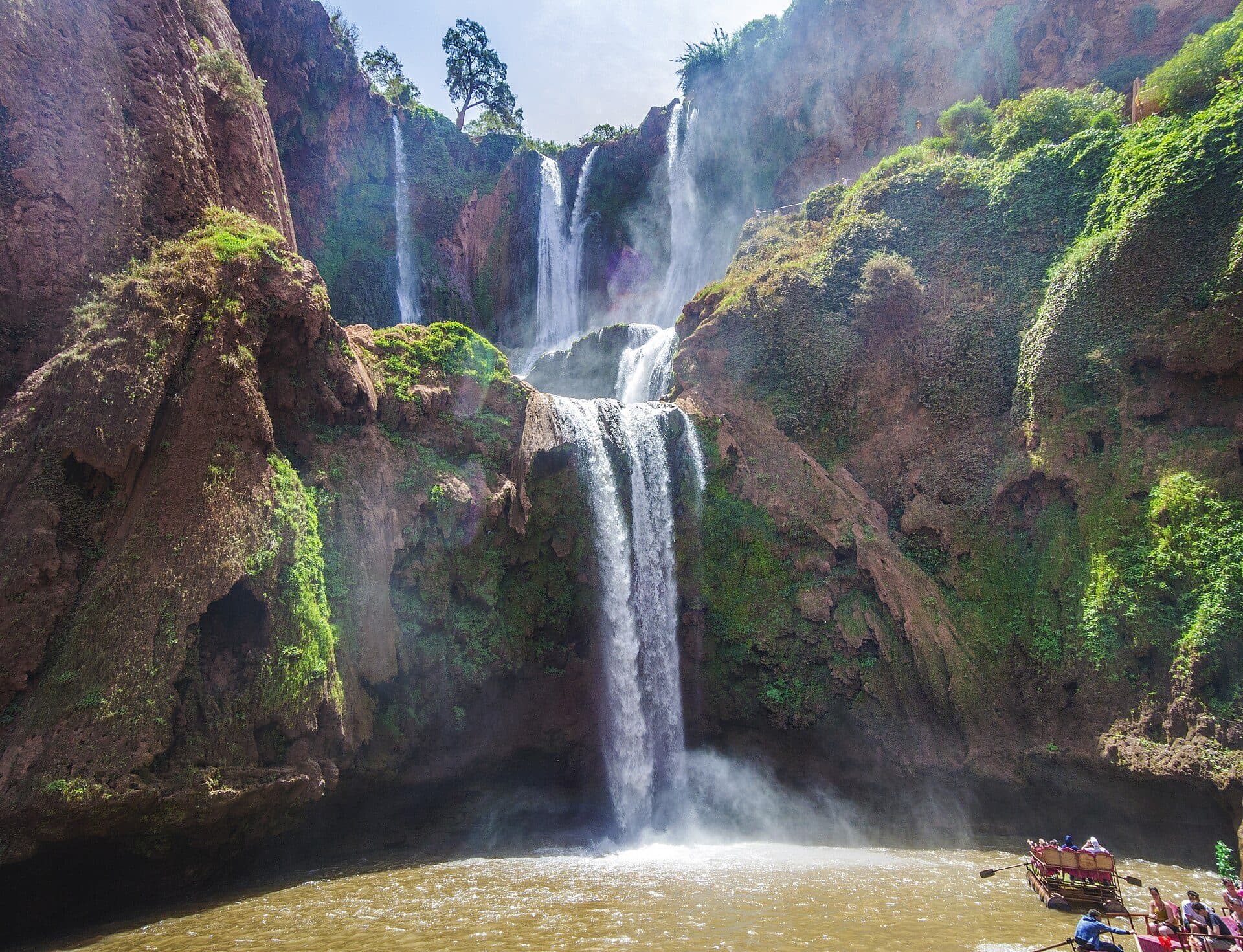
Ouzoud Waterfalls
About 2.5 to 3 hours by car from Marrakesh (around 150 km)
Shall we plan your trip together?
Send a message with when you want to go, who you are traveling with and what appeals to you. You get a proposal back and you are not committed to anything.
You chat with Soukayna (English, French, Moroccan Arabic) or Bas (Dutch). Real people, not a chatbot. You almost always get an answer within a few minutes.